


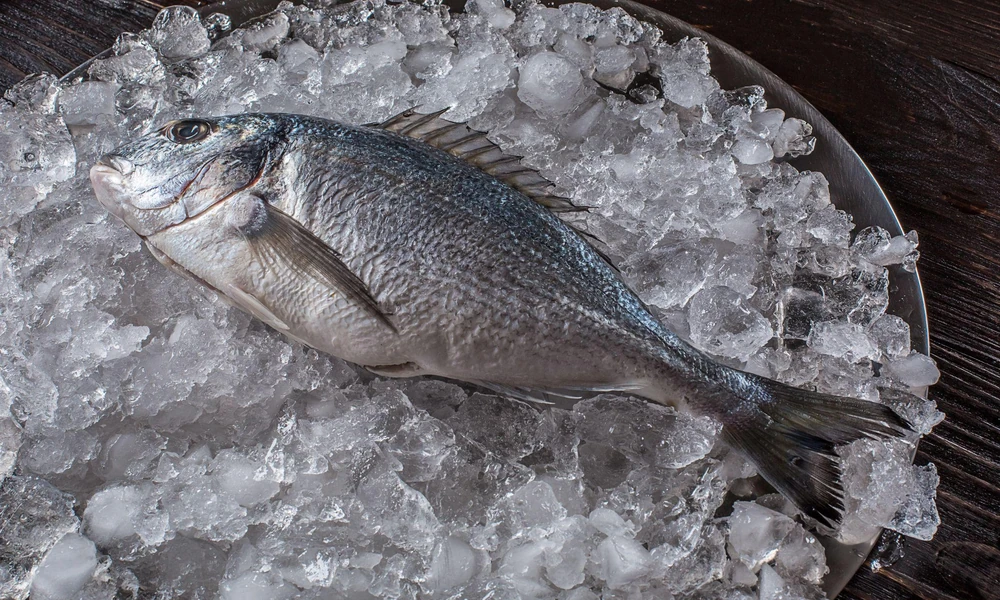
Key Highlights
- Direct-to-port sourcing eliminates unnecessary middleman costs, reducing the final price for consumers.
- Shortened supply chains ensure the pomfret fish price remains stable and affordable by reducing handling fees.
- Efficient logistics allow for fresh whole fish delivery, maintaining quality from the port to the kitchen.
- Buying whole fish for sale online provides transparency in pricing and origin for local families.
Introduction
In the heart of Singapore’s culinary landscape, the humble pomfret has long held a position of prestige. Prized for its delicate texture and sweet flavour, it is a staple for family dinners and celebratory feasts alike. Yet, for many households, the volatility of seafood markets can make the pomfret fish price feel unpredictable. Understanding how the seafood reaches the dining table-specifically through the lens of direct-to-port wholesalers-reveals how the industry keeps these essential ingredients both fresh and affordable. By bypassing traditional intermediaries, these wholesalers transform the supply chain, ensuring that local families have consistent access to premium quality at competitive rates.
The Journey from Port to Plate
Traditional supply chains often involve multiple layers of middlemen, each adding a premium to the product to cover their operational costs and profit margins. From the moment a fishing vessel docks at the port to the time the seafood reaches the wet market or supermarket shelves, the fish can change hands several times. Each step incurs storage, transport, and handling costs, all of which are inevitably passed on to the consumer.
Direct-to-port wholesalers operate on a significantly leaner model. By sourcing directly from the source-often coordinating closely with local or regional fishing fleets-these businesses shorten the distance between the ocean and the kitchen. This direct acquisition model is the primary driver behind maintaining a more consistent pomfret fish price. When there are fewer intermediaries, there is less “margin stacking,” allowing the wholesaler to offer lower prices while still ensuring that fishermen are paid fairly for their catch.
Leveraging Technology for Affordability
The advent of digital marketplaces has further solidified the impact of direct-to-port wholesale on consumer savings. Platforms that offer whole fish for sale online have become a crucial component of this efficiency. With the ability to manage inventory in real-time, these wholesalers can predict demand more accurately and reduce the wastage that often plagues traditional brick-and-mortar seafood retailers.
When a wholesaler lists whole fish for sale online, they are essentially providing a transparent storefront where prices can be adjusted based on market realities rather than arbitrary markups. This transparency allows families to compare costs and make informed decisions. Furthermore, digital operations reduce the overhead associated with maintaining extensive physical retail spaces, allowing these savings to be reinvested into competitive pricing and high-quality cold-chain logistics.
The Role of Efficient Logistics in Freshness
Affordability is meaningless if the quality is compromised. A key advantage of the direct-to-port approach is the speed at which the product moves. Since the wholesaler is essentially the first point of contact after the catch, the time spent in transit is drastically reduced. This efficiency is critical for fresh whole fish delivery, as it ensures the integrity of the fish-its texture, colour, and nutritional value-remains intact.
Families today are increasingly conscious of where their food comes from. The direct-to-port model supports this by allowing for better traceability. When wholesalers handle the logistics themselves, they can guarantee the handling standards of the product throughout the journey. This meticulous approach to quality control means that consumers are not just paying a fair pomfret fish price; they are also receiving a product that has been handled with professional care, reducing the risk of spoilage and waste at home.
Supporting Local Families
Ultimately, the primary beneficiary of the direct-to-port model is the local family. By keeping the pomfret fish price competitive, these wholesalers make it possible for home cooks to integrate high-quality, nutrient-dense seafood into their weekly meal planning without breaking their household budget. This access is vital for maintaining cultural traditions, such as the Sunday family lunch, where fresh fish often takes pride of place.
Beyond mere cost savings, the direct-to-port model fosters a stronger connection between the community and the source of their food. It empowers families to shop with confidence, knowing that their purchase supports a streamlined, ethical, and efficient supply chain. As more households embrace the convenience of fresh whole fish delivery, the reliance on these transparent, cost-effective wholesale channels is likely to grow, ensuring that the market remains balanced, fair, and accessible to everyone.
Conclusion
The secret to a stable and competitive pomfret fish price lies in the efficiency of the supply chain. By embracing the direct-to-port wholesale model, businesses can remove unnecessary costs, enhance freshness through shorter delivery windows, and leverage digital platforms to serve the community better. Whether through the ease of ordering whole fish for sale online or the reliability of scheduled fresh whole fish delivery, this modern approach ensures that quality seafood remains a staple in Singaporean homes.
We are committed to bringing the freshest catch to your kitchen. If you have questions about our latest arrivals or need assistance with your order, contact the team at Catch of the Day SG today. We are here to help you make your next family meal truly memorable.
