


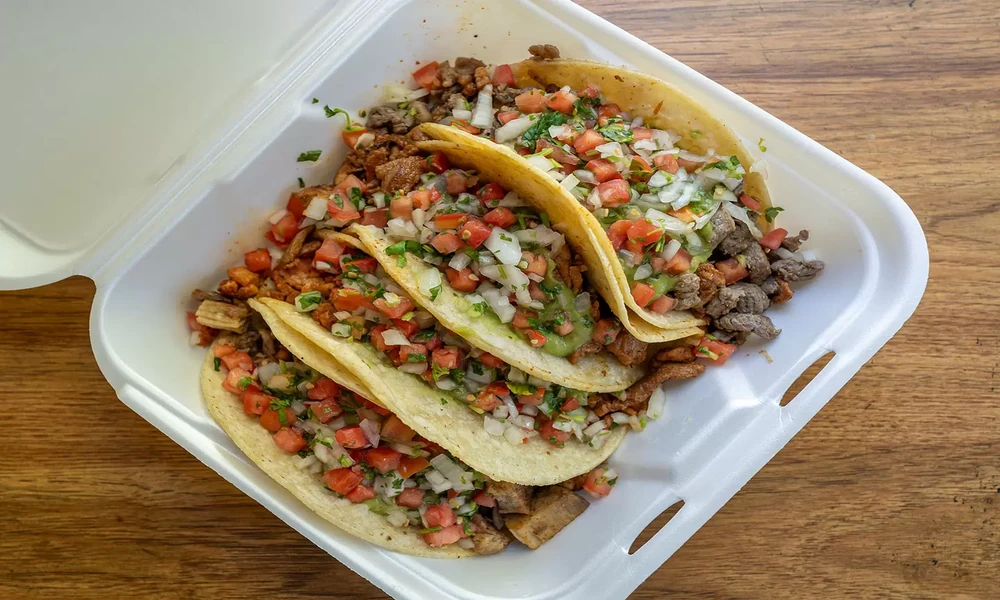
The SLC Mexican Catering Landscape
Salt Lake City’s Mexican catering market includes several distinct types of providers, each suited to different event types and scales. Established restaurant operations with catering arms bring the kitchen infrastructure and culinary experience of a going concern to catered events, though their availability is constrained by their primary business. Dedicated catering companies without a restaurant identity are often more logistically flexible for events but vary more widely in culinary quality. Taco cart and informal format operators work well for casual events but less well for formal dinners.
The connection between a restaurant’s dining room quality and its catering quality is not automatic. Catering involves different production systems, different holding logistics, and often different staffing than the dining room. A restaurant that produces excellent food in its kitchen may or may not have built the catering infrastructure to maintain that quality through the logistics of an off-site event. Tasting is the only reliable way to evaluate this.
The concentration of quality Mexican catering options in Salt Lake City has grown meaningfully over the past decade alongside demographic changes in the city. Operations that were serving primarily within the Mexican-American community have expanded their catering capacity and visibility as the broader Salt Lake City market has developed a more sophisticated appreciation for regional Mexican cuisine.
How to Find and Evaluate Options
Who caters Mexican food in SLC resources include caterer directories and comparison guides that cover the range of options across price points and service formats. Using multiple sources – caterer directories, venue referrals, and community recommendations – produces a more complete picture of what is available than any single source alone.
The evaluation process should include at minimum a phone or email conversation about the specific event requirements before requesting a formal proposal. A caterer that asks specific questions – guest count, service format, venue logistics, dietary restrictions, event timeline – during the initial inquiry is demonstrating the operational attention that typically extends to service day execution. One that simply sends a standard menu and rate card without asking is providing a generic response that may not fit the event.
Visit Salt Lake’s Visit Salt Lake dining resources include catering-oriented listings for Salt Lake City events that complement caterer-specific searches with broader venue and event planning context.
Contract Terms Worth Reading Carefully
The catering agreement should specify the service format explicitly – buffet, family style, stations, or plated – because this determines staffing requirements, equipment needs, and food production logistics. A caterer whose agreement is vague about service format is not providing the operational clarity you need to plan the event accurately.
Cancellation and change policies matter for events where guest count or date flexibility exists. Understanding what the caterer’s policy is for count changes within two weeks of the event – and what those changes cost – prevents surprises when the final headcount comes in different from the estimate. Most caterers accommodate count increases more readily than decreases, since decreases represent committed food costs that cannot be recovered.
The question of who supplies serving equipment – chafing dishes, serving utensils, plates if included, tables for the buffet setup – should be answered explicitly in the agreement. Some caterers include all equipment; others require the client to source it separately. Discovering this distinction after signing, when rental availability for the event date may be constrained, adds unnecessary logistics to an already complex event planning process.
